Supermarket News Online Article – December 15, 2025
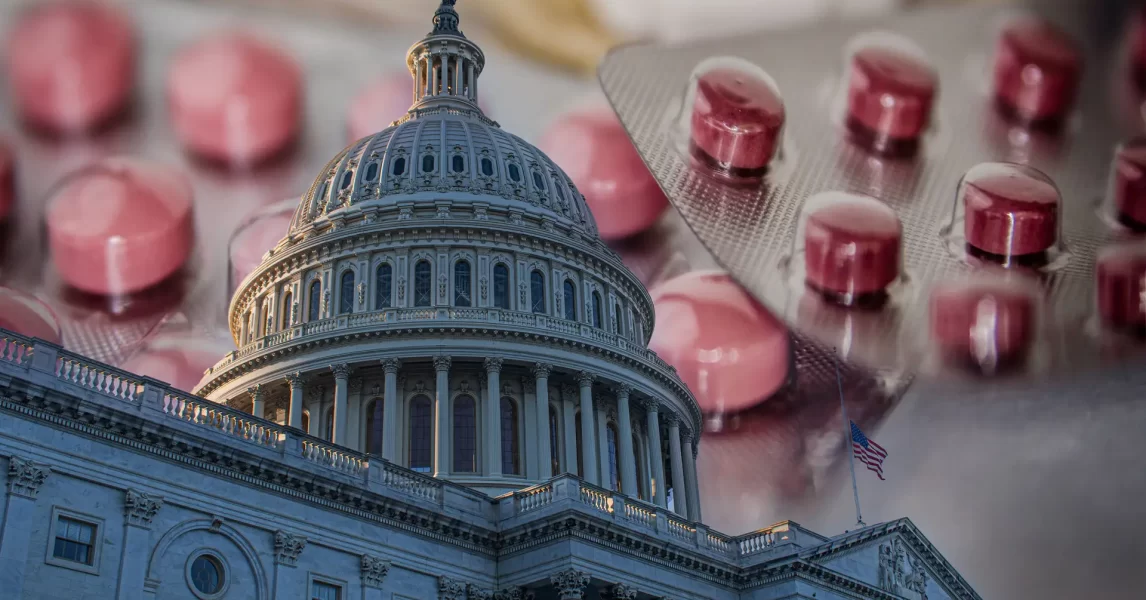
A major bipartisan effort is underway in Washington to reform the pharmacy benefit manager (PBM) system — and it could become one of the most significant changes the prescription market has seen in decades.
Last week, U.S. House leaders introduced the Pharmacists Fight Back Act, a sweeping bill designed to rein in PBM practices that inflate drug prices, squeeze pharmacy reimbursements, and restrict patient access to care. For community pharmacies and the patients who rely on them — including injured workers — this legislation could be a turning point.
What the Pharmacists Fight Back Act Would Do
The bill introduces several long-awaited reforms aimed at improving fairness, transparency, and patient choice. Key provisions include:
Reimbursement Based on Actual Drug Acquisition Costs
For federal programs like Medicare, Medicaid, and FEHBP, pharmacy reimbursements would be tied to:
-
NADAC (National Average Drug Acquisition Cost)
-
A fair dispensing fee
This moves the system away from PBM-manipulated pricing and toward real-market costs.
A Ban on “Patient Steering”
PBMs would no longer be allowed to funnel patients into their own mail-order or chain-owned pharmacies — one of the biggest factors driving independent pharmacy closures.
Rebates Redirected to Patients and Plan Sponsors
Instead of PBMs keeping the bulk of manufacturer rebates, more funds would go directly toward lowering patient costs.
Stronger Enforcement and Penalties
Lawmakers emphasized that this bill includes real teeth, with strict oversight of PBMs participating in federal health plans.
The legislation is backed by the National Community Pharmacists Association (NCPA) and key pharmacy advocates nationwide.
Why Lawmakers Say Reform Is Urgent
Members of Congress on both sides of the aisle agree that PBMs have grown too powerful, too opaque, and too influential over drug pricing. As Rep. James Comer (R-KY) stated:
“PBMs have abused their position as middlemen… undermining our community pharmacists and passing costs on to patients.”
Rep. Sanford Bishop (D-GA) echoed the concern:
“PBMs exercise significant power over what drugs are available, at what price, and what pharmacies patients can use — with very little accountability.”
With inflation and prescription affordability shaping up to be major issues ahead of the 2026 elections, Congress is under pressure to take meaningful action.
Why This Matters for Injured Workers and RescueMeds Patients
Workers’ compensation pharmacies across the country — including RescueMeds — have experienced the effects of PBM control firsthand:
-
Unfair reimbursement rates threaten pharmacy access
-
Delays in approvals disrupt treatment and recovery
-
Steering tactics limit patient choice
-
Opaque pricing inflates costs for employers and claimants
By restoring transparency and rebalancing the system, the Pharmacists Fight Back Act could improve:
- Access to timely medications
- Pharmacy viability in underserved areas
- Treatment continuity for injured workers
- Fairness across the entire Workers’ Comp system
For patients who rely on consistent prescription delivery during recovery, these protections are essential.
A Step Toward a Fairer System
As Douglas Hoey, CEO of NCPA, stated:
“PBM reform would make prescription drugs more affordable and throw a lifeline to thousands of small, family-owned pharmacies.”
At RescueMeds, we support reforms that protect patient access, increase pricing transparency, and ensure that injured workers receive the medications they need — without PBM interference.
We will continue monitoring the progress of this critical legislation and advocating for changes that put patients before profit.