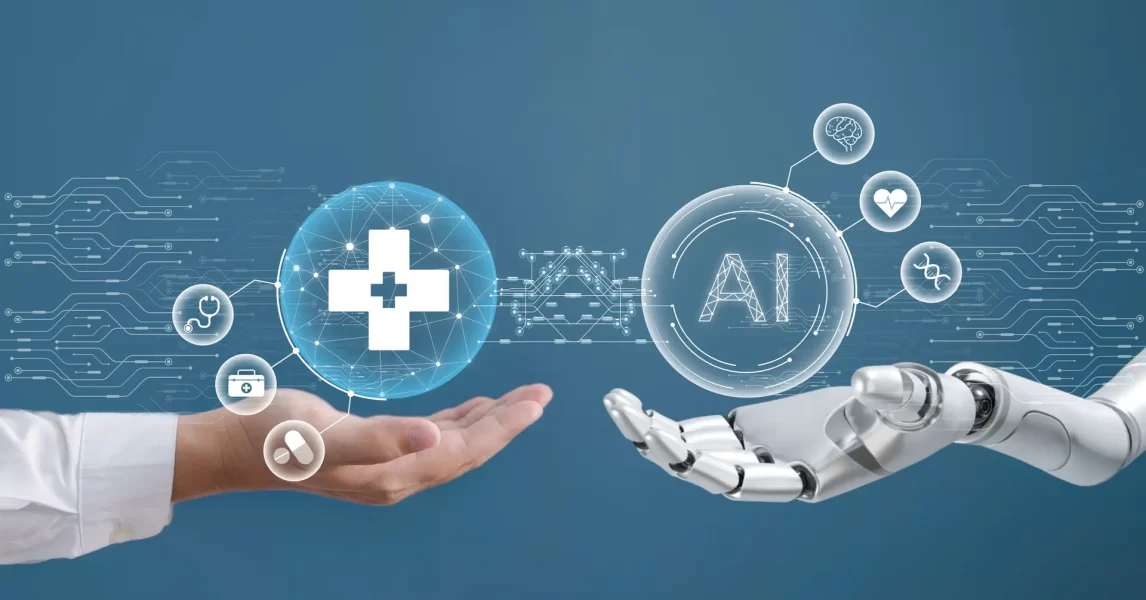
Workerscompensation.com Online Article – December 16, 2025 – AI in Workers’ Compensation
Artificial intelligence (AI) is no longer a future concept in Workers’ Compensation. It’s already here — writing claim notes, flagging high-risk files, and summarizing medical records before adjusters even pick up the phone. As more carriers adopt these tools, AI is beginning to reshape how claims are handled from day one.
But while AI is improving efficiency, one thing is becoming clear: technology cannot replace the human support injured workers need. At RescueMeds, we are committed to tracking these industry changes because they directly impact patient experience, claim outcomes, and access to care.
AI in Workers’ Comp Is Growing Fast
Recent surveys show that most insurers are actively piloting or deploying generative AI tools. And instead of small experiments, they’re focusing on real operational workflows.
Today, the strongest results are happening in three practical areas:
1. Intake & First Notice of Loss (FNOL)
AI now helps convert recorded calls, emails, and forms into clean, structured claim data.
This reduces errors, speeds up routing, and helps adjusters start with accurate information.
2. Early Triage & Risk Identification
AI models can highlight claims that are likely to become complex — even when they appear routine.
This helps adjusters prioritize cases, involve nurse case managers sooner, and set more accurate reserves.
3. Medical Record Summaries
AI can sift through pages of chart notes, imaging reports, and doctor summaries, then deliver a clear, usable overview.
This saves adjusters and nurses hours of administrative review every week.
Why That Matters for Injured Workers
When adjusters spend less time buried in paperwork, they gain more time to:
- Call injured workers earlier
- Explain next steps clearly
- Coordinate return-to-work plans
- Prevent delays and confusion
Research shows that early communication reduces attorney involvement, improves recovery outcomes, and lowers claim duration.
So while AI handles the background work, the human connection remains essential.
Where AI Helps — and Where Humans Must Lead
AI is powerful for spotting risks, organizing information, and supporting decisions.
However, certain choices will always require human judgment, such as:
-
Determining whether an injury is work-related
-
Authorizing major treatments
-
Adjusting benefits
-
Deciding when legal counsel is needed
Responsible use of AI in Workers’ Comp means blending technology with human oversight — not replacing it.
What This Means for the Future of Workers’ Comp Care
AI is streamlining the industry behind the scenes. But the real goal isn’t automation — it’s better outcomes for injured workers.
With smarter workflows:
-
Adjusters and nurses get more bandwidth
-
Employers get more accurate and timely claims management
-
Injured workers get faster support, fewer delays, and clearer communication
At RescueMeds, we understand how critical that human connection is — especially for patients navigating Workers’ Comp for the first time. While technology evolves, our mission stays the same:
Fast delivery. Clear communication. Compassionate support.
Always centered on the injured worker.